SPARK CONVERSATIONS
A fair as a curated art experience: Florence Derieux and Christoph Doswald on the current art market, the concept, and the exhibition architecture of SPARK Art Vienna 2027
With Dania Kwizda-Dejanoff
November 26, 2026
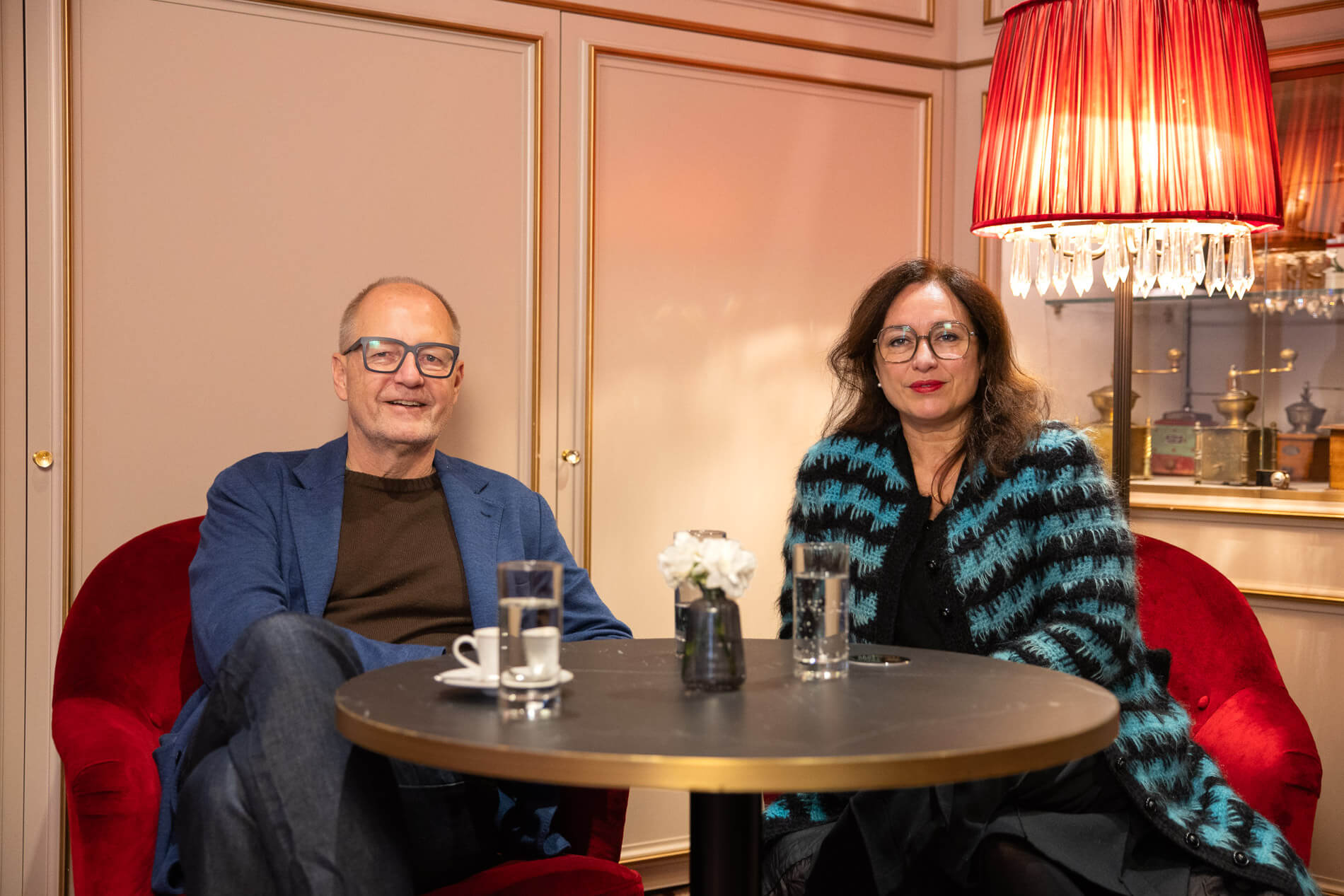
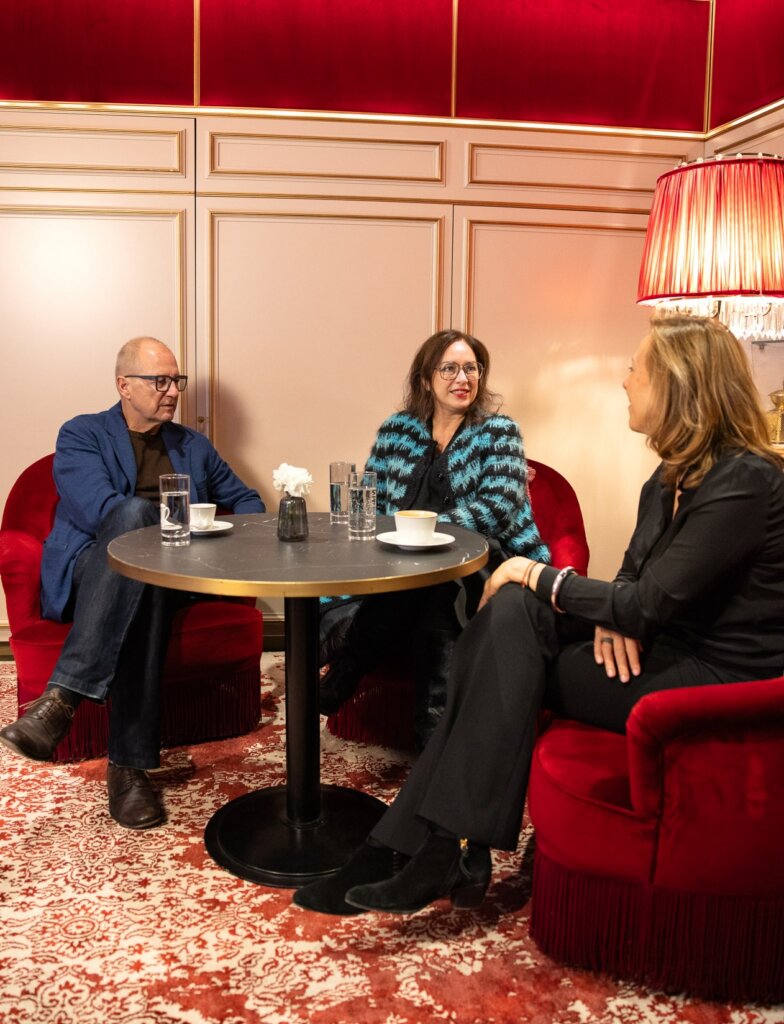
From March 18 to 21, 2027, SPARK Art Vienna—Austria’s largest art fair—will once again take place at Vienna’s MARX HALLE, bringing together a diverse selection of contemporary art, exciting artistic perspectives, and current discourses from the international art scene. Over coffee at Café Sacher, the two curators of SPARK—Florence Derieux (France) and Christoph Doswald (Switzerland)—will offer insights into the conceptual direction of the upcoming edition, their curatorial considerations, and changes in the art market.
SPARK: Florence, you have led museums, directed a public art collection, and worked closely with collectors and patrons internationally. How does this institutional background shape your view of what an Art Fair like SPARK can be, and how do you bring the perspective of a museum curator into a setting where artists, galleries, and collectors meet?
Florence Derieux: Throughout my career, whether working in museums, galleries, or with collections, my primary interest has always been in artists and their work, and in creating the conditions in which that work can be experienced, understood, and discussed. I’ve always had one foot in the institutional world and one in the commercial world, and I don’t see the two as entirely separate. They serve different purposes, of course, but they are part of the same ecosystem. Galleries play an essential role in supporting artists and their work, often taking risks that museums cannot take, while institutions preserve, research, and interpret artists’ work, ultimately contributing to its legitimacy and long-term recognition.
What particularly interests me about SPARK—and I was truly impressed by it when I first visited the fair in 2023—is its commitment to solo presentations. This format allows for a more sustained engagement with an artist’s work and encourages galleries to develop presentations that are closer to exhibitions than conventional fair booths.
It not only offers the audience an opportunity to experience an artist’s work more broadly, but also to learn about it from one of the artist’s closest and most knowledgeable collaborators: their gallerist. I believe that an art fair can be a marketplace, as well as a place of discovery and intellectual exchange.
My experience has taught me how important it is to bring together different visions and create meaningful connections between artists, galleries, institutions, and collectors.
SPARK: Christoph, you have spent more than a decade shaping how art enters the public space of a city, from ART AND THE CITY to the much-debated “Hafenkran” project in Zurich. How does your experience with art in public space influence the way you think about presenting art at SPARK, and about how the fair connects with the city and its audience?
Christoph Doswald: The MARX HALLE is a unique statement as an exhibition venue, deeply rooted in cultural history. Being able to host an art fair in a setting shaped by such a significant history brings contemporary art into dialogue with a remarkable historical resonance. It evokes an era in which art and culture played a vital role in shaping urban identity.
SPARK Art Vienna builds on this civic-minded ethos. We are convinced that art makes an essential contribution to current social debates and that an art fair can help stimulate and foster this dialogue.
SPARK: Florence, how do you work with the site and the space of the MARX HALLE?
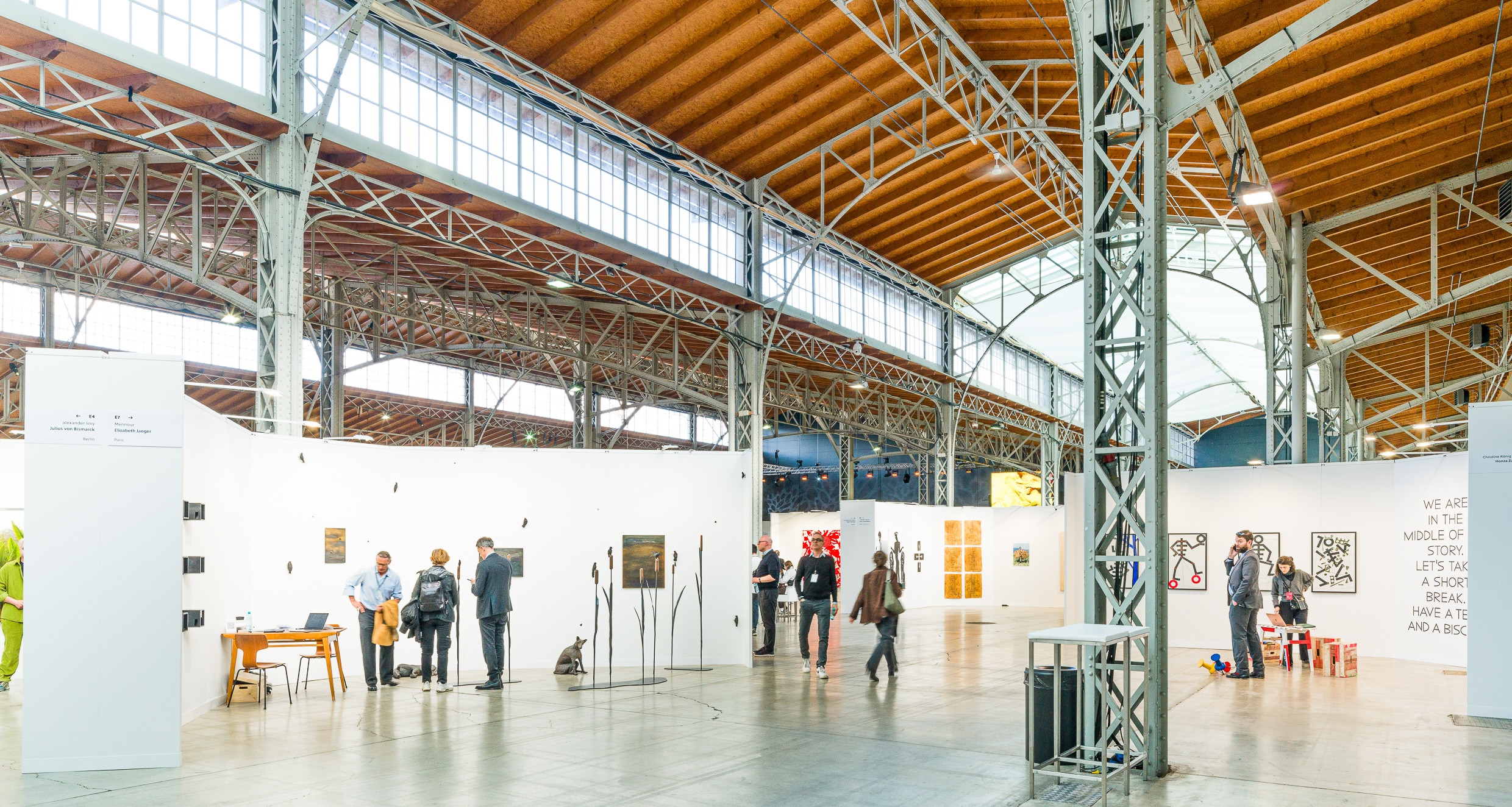
Florence Derieux: The MARX HALLE is a remarkable space, both architecturally and historically. Its scale, industrial character, and extraordinary openness create opportunities that are quite different from those offered by traditional exhibition venues. One of SPARK’s greatest strengths is its exhibition architecture. The open booths and their consistent spatial organization establish a certain equality between galleries while allowing visitors to move freely between artistic positions. I find this particularly interesting from a curatorial point of view because the architecture creates a sense of continuity and openness.
Rather than moving through a succession of enclosed commercial spaces, visitors experience something closer to a large exhibition, with the different proposals potentially establishing unexpected dialogs. I would also be very interested in exploring how artists might engage more directly with the architecture of the MARX HALLE itself, through site-specific projects, installations, or performances that take advantage of its scale and distinctive character.
SPARK: How does the curatorial process work at SPARK Art Vienna, and how do you select the artists? What is your main focus?
Florence Derieux: The curatorial process is fundamentally collaborative. Christoph Doswald and I work closely with Walter Seidl and Jan Gustav Fiedler, drawing on our different experiences, networks, and perspectives. What makes SPARK particularly interesting is that we are not simply selecting galleries. We are considering individual artistic positions and the projects that galleries wish to develop around them. For me, the quality and relevance of an artist’s work are essential, but I am equally interested in what a gallery can bring to its presentation. I’m interested in seeing and showing projects that reflect a genuine commitment to an artist and offer visitors an opportunity to discover something they might not otherwise encounter.
I am particularly interested in Vienna’s historic identity as a major crossroads in Europe, and a passage between East and West. I’m also looking to bring together different generations of artists, from established figures whose work deserves renewed attention to emerging artists, and to create a dialogue between the Austrian art scene and the international contemporary art community. Ultimately, I believe the strength of a fair lies not simply in the individual presentations, but in the connections and conversations that emerge between them.
Christoph Doswald: The process is deliberately kept very open. On the one hand, the curators on the Advisory Board have access to an extensive network of highly regarded artists and gallery owners whose work could potentially be presented at SPARK Art Vienna. On the other hand, we receive daily applications from art venues and artists who are less familiar to us, which we discuss in our meetings.
Although this can sometimes be challenging, that is precisely what I personally enjoy about this work: embracing the new, stepping off the beaten track and discovering different artistic positions.
SPARK: Christoph, you have been part of the curatorial board of SPARK since 2022. Which edition was your favourite so far and what will be new at next year‘s edition. What would visitors look forward to next March. What do you find most unique about SPARK Art Vienna, and what sets it apart from other art fairs?
Christoph Doswald: The art market has been extremely turbulent in recent years. Younger galleries, in particular, are currently finding it difficult to establish themselves and navigate the market. This is also reflected at art fairs, where we are increasingly seeing a tendency to rely on what are perceived as safe bets.
When I joined SPARK in 2022, there were more local galleries, but they were also more willing to take risks. In 2025, the fair had become more international, but somewhat more conservative due to the economic climate and rising costs within the art sector. Each year therefore brings something different, and every edition has its own touch.
SPARK: As curators, how do you see the art market changing, and how have these changes influenced your approach to the fair?
Christoph Doswald: The conditions have changed substantially over the past 20 years. The influence of money and highly influential collectors has grown enormously. At the same time, there has been a process of deprofessionalisation. In other words, the expertise and assessments of experienced art historians and curators have lost significance, while the short-term influence of the market has grown stronger.
This has had an impact on artists’ studios, art academies and cultural institutions alike. As a result, we are witnessing an increasing polarisation within the art scene: on the one hand, art that is critical of the system, even activist in nature; on the other, artistic production that caters to the tastes of the super-rich.
Florence Derieux: One of the paradoxes of today’s art market is that, while artists have never had so many opportunities for visibility, the time and attention required to understand, contextualize and evaluate their work are becoming increasingly scarce. I believe art fairs have a responsibility to address this contradiction. They should offer opportunities for discovery, encourage galleries to take risks, and introduce collectors and audiences to artists and works they may not already know. This is where I think SPARK’s format is particularly relevant. By focusing on individual artists and giving galleries the opportunity to develop coherent and comprehensive presentations, it encourages a more thoughtful engagement with art.
SPARK: If you could realize a dream project at SPARK, which artist, established or emerging, would you invite, and why?
Florence Derieux: I would love to invite Gelitin to conceive an ambitious, site-specific project for the MARX HALLE. Their work has always fascinated me because of the way they challenge the boundaries between sculpture, performance, collective experimentation, and everyday life. They have an extraordinary ability to transform the relationship between artworks and audiences, through participation, unexpected situations, and inimitable and boundless humor.
I would be particularly interested in inviting them to create something that extends beyond the conventional exhibition format and engages with the fair as a whole. What would happen if we transformed an art fair, even temporarily, into a space of collective artistic production? Could the visitors themselves become participants in a work that evolves over the course of the event?
I think a project like this could be extraordinarily engaging and intellectually challenging. It would also be a wonderful way of celebrating the experimental spirit of Vienna’s contemporary art scene.
Christoph Doswald: I am a great admirer of Hans Haacke, an artist who engages in many different ways with social developments and, in this context, also critically examines the art world itself. It would be fascinating to see what he would do with an exhibition hall.
SPARK: Florence, you have curated Art Basel Parcours, do you think a project like that would also work in a city like Vienna?
Florence Derieux: Absolutely. Vienna has an extraordinary artistic and architectural heritage, but it is also a city with a vibrant contemporary artistic and cultural life. What I found particularly rewarding about curating Parcours was the opportunity to bring contemporary art into the city itself, beyond the conventional exhibition space, and to create unexpected encounters between artworks, architecture, and the public—not only collectors, art professionals and connoisseurs, but also audiences who may be less familiar with contemporary art. A project of this kind could be particularly interesting in Vienna, where the relationship between historical spaces and contemporary artistic production offers so many possibilities. It would also be a fantastic way of exploring the 23 different districts of Vienna, and approaching them in unexpected ways.
However, I would not be interested in simply reproducing the Parcours model. I think it would be much more exciting to develop something specifically conceived for Vienna, taking into account its particular heritage, urban geography, cultural institutions, and artistic communities. I strongly believe that Vienna offers an opportunity to rethink the relationship between an art fair and its urban environment. Such a project could also create new connections between SPARK and the city, inviting audiences who might not ordinarily attend an art fair to engage with contemporary art.
SPARK: Florence, what is your favorite place in the city?
Florence Derieux: One of the things I appreciate most about Vienna is the absolute luxury of being able to experience such a wealth of art and culture on a daily basis. The proximity, diversity, and quality of its cultural institutions are simply extraordinary. I am particularly drawn to places where history encounters contemporary artistic experimentation.
This is the reason why I would probably choose the Secession building. I find it extraordinarily beautiful, not only for its architecture, but also for what it represents: the ability of artists to invent their own structures, come together around a shared vision and values, and create spaces of freedom. What I find particularly moving is that this extraordinary collective spirit has endured for more than a century. The Secession is not simply a monument to a remarkable moment in the history of art; it remains a living institution, conceived and governed by artists, and dedicated to contemporary art. I like to think of it as a beacon in the city, a reminder of the power of art to bring people together, challenge conventions, and imagine new possibilities.
SPARK: And Christoph, what do you love most about Vienna?
Christoph Doswald: The coffeehouse culture and the grumblers.
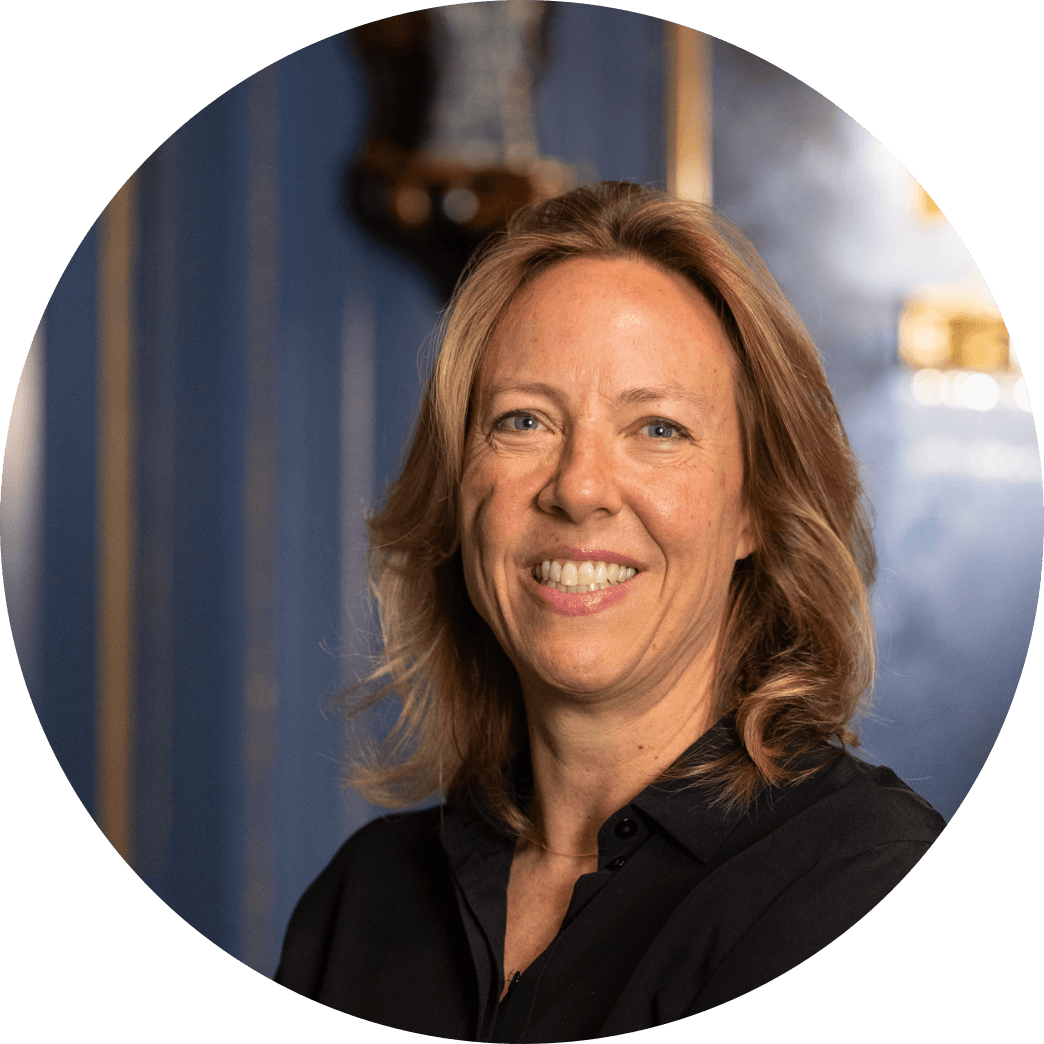
Florence Derieux
Curator SPARK Art Vienna
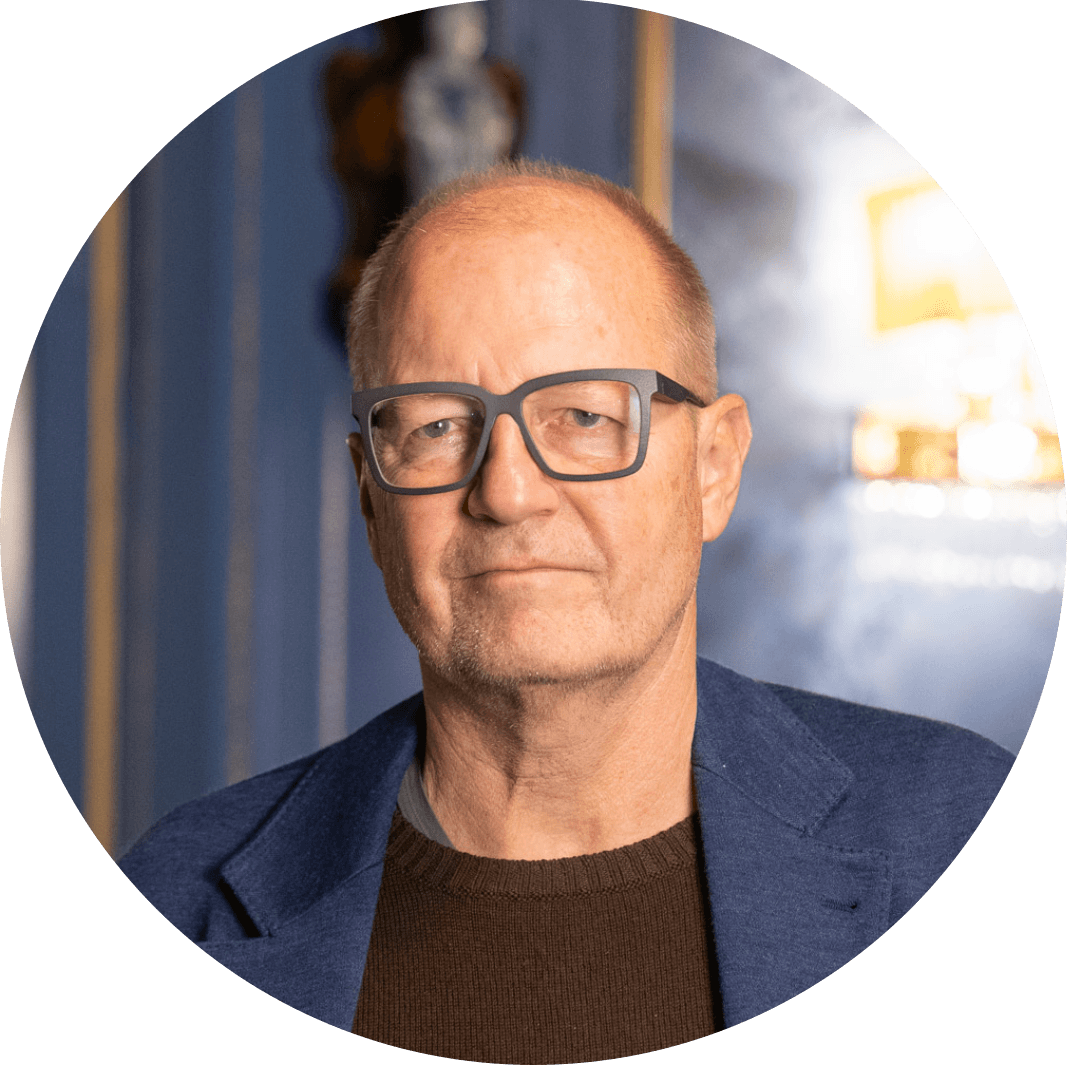
Christoph Doswald
Curator SPARK Art Vienna
Dania Kwizda-Dejanoff
International Relations SPARK Art Vienna
Christoph Doswald, based in and near Zurich, is also part of the curatorial board of Spark. He began his career in the mid-1980s as an art writer for publications such as Kunstforum International, Parkett, and the Neue Zürcher Zeitung. He has curated exhibitions at institutions including Kunsthaus Graz, Villa Arson in Nice, and Kunstmuseum Bern. From 2009 to 2020 he chaired the City of Zurich’s Work Group for Art in Public Spaces, where he curated ART AND THE CITY (2012). He is also a board member of Visarte Schweiz and curated the 4th Industrial Art Biennale in Croatia (2023), “Landscapes of Desire.” In 2026, he and his partner Dorothea Strauss founded Kunsthalle Ausserbinn, an exhibition space in the Swiss Alps.
Florence Derieux is part of the curatorial board of SPARK Art Vienna. An art historian by training, she has nearly 30 years of experience as a museum director and curator, building, leading, and programming art institutions in Europe and the U.S. She began her career in London and Amsterdam, became the first Curator of the Palais de Tokyo in Paris, and later served as Deputy Director of the Picasso Museum in Antibes. From 2008 to 2016 she directed FRAC Champagne-Ardenne in Reims and, during the same period, served as Curator of Art Basel’s Parcours. In 2015 she moved to New York as the first Curator of American Art for the Centre Pompidou Foundation. She has since advised major museums and collections and edited numerous catalogs and monographs, including on Tom Burr, Agnes Denes, and Farah Atassi.
We would like to thank Cafe Sacher for their exceptional hospitality!