SPARK CONVERSATIONS
Lilli Hollein about the future of the museum, the power of design and her vision for the MAK – and the privilege of going to the museum every day
August 25, 2026
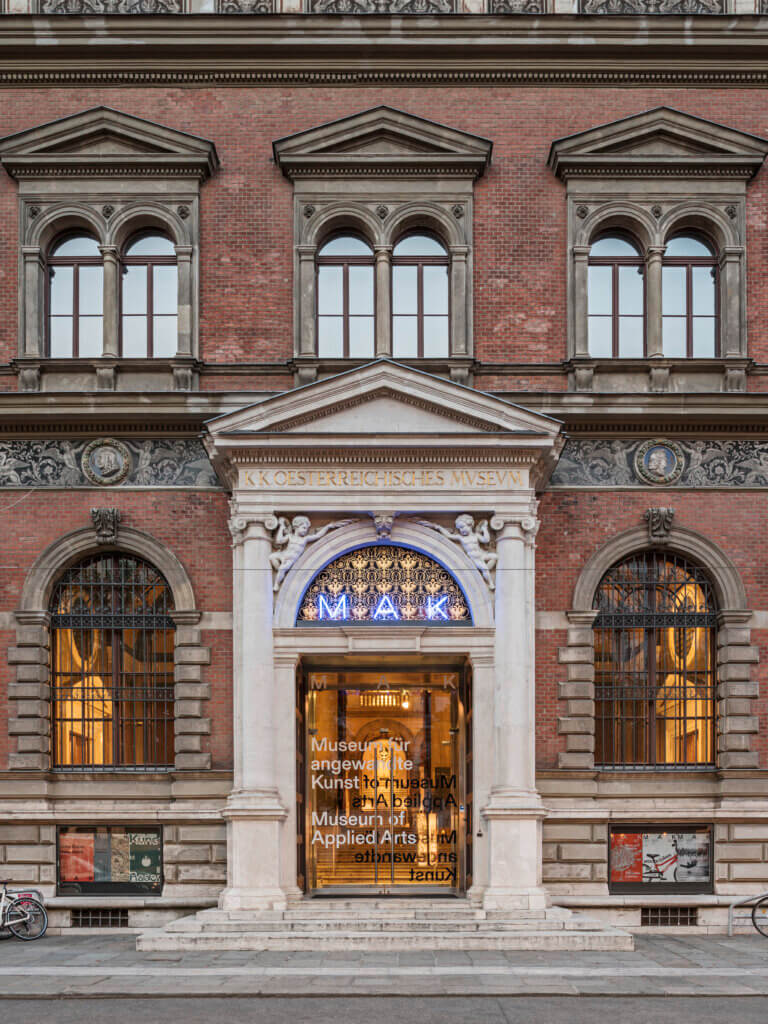
The MAK – Museum of Applied Arts is a special place in Vienna: a museum where there is always something new to discover and which continues to surprise visitors even outside the major exhibitions. Lilli Hollein has been director of the museum since 2021 and, through a distinctive and diverse programme, has transformed it into a place where design, art, architecture and social issues come together as a matter of course.
The conversation explores the role of a museum in contemporary society, the responsibility of cultural institutions, and the question of how an institution like the MAK can continually be reimagined and opened up to different perspectives.
SPARK: Please allow us to start with a very simple question: Why should people go to a museum?
Lilli Hollein: For me, the answer is quite simple: because it enriches my life, because it makes me happy. My family knows this effect and so supports all visits to museums. But I’m lucky enough to be able to go to the museum every day anyway.
SPARK: How have museums evolved in recent years, and how have expectations of them changed? How do museums remain relevant as places of preservation and research, but also of interaction, in an increasingly digital world?
Lilli Hollein: A museum such as the MAK meets these criteria and is, moreover, an active player in the digital world and in the discourse surrounding it. Museums are places that document and engage with social developments, and if they find the right way to do so and address them with conviction, they do not lose their relevance.
SPARK: The MAK’s new presentations feel less like closed historical chapters and more like conversations between different eras. Is that precisely your vision of a contemporary museum?
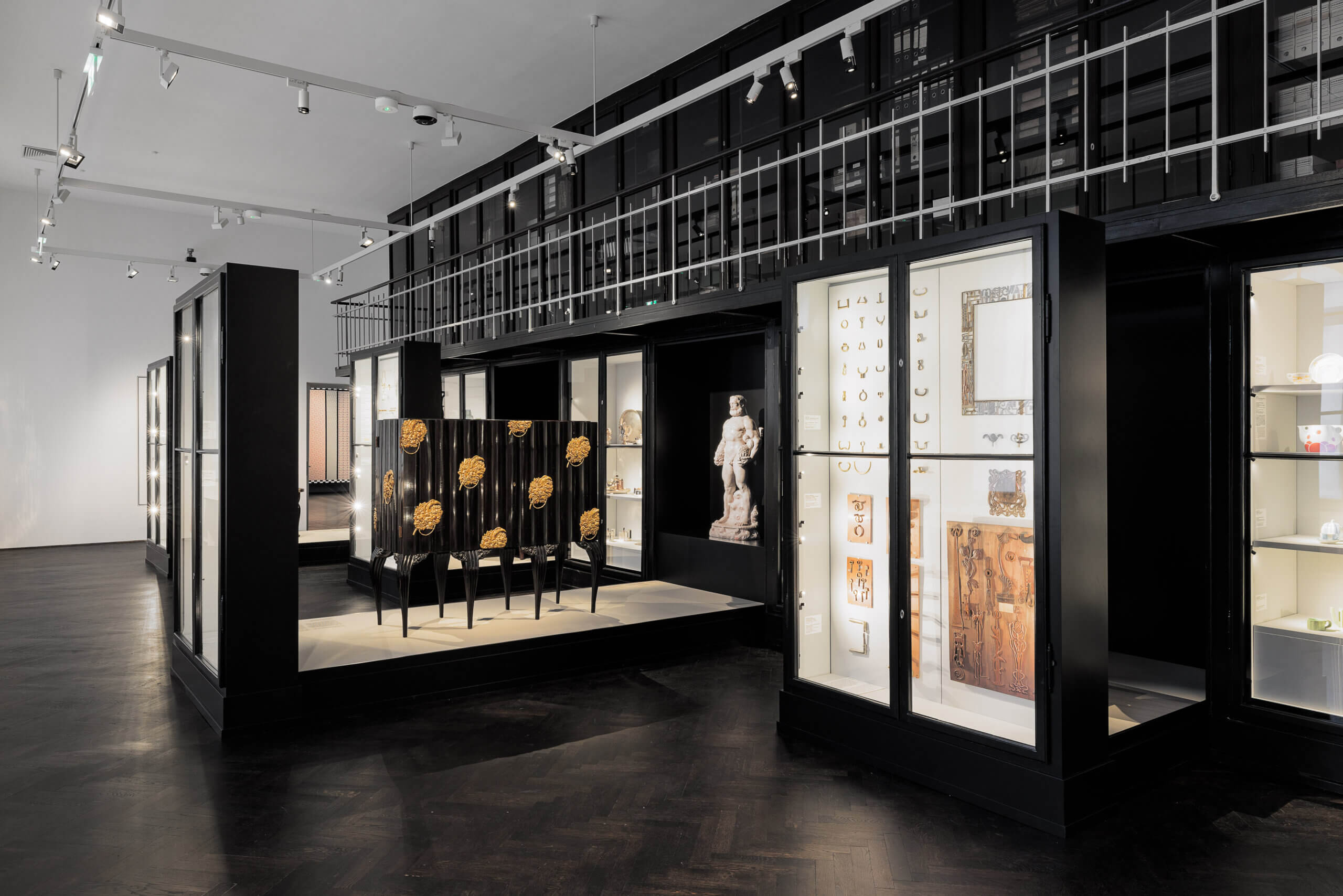
Lilli Hollein: What is important to us in presenting our historical collections is to relate them, at certain points, to the present and to the realities of our visitors. Our design collection, by contrast, often looks more towards the future than the past. The diversity and breadth of the MAK’s collection is fascinating, and naturally, it is important to us that these collections communicate with one another.
SPARK: What is your favourite place in the MAK? What is something everyone should see? A hidden treasure of the MAK?
Lilli Hollein: Under the chandelier island, with a view of Margaret MacIntosh’s frieze, you can engage in a particularly atmospheric dialogue with yourself or with a museum buddy.
SPARK: What would you recommend to a new generation of collectors who are equally interested in contemporary art, functional design and high-end fashion?
Lilli Hollein: I would recommend getting an annual MAK membership and to visit the MAK Shop.
SPARK: Which exhibition or project has had the greatest impact on you over the course of your career – and why?
Lilli Hollein: My first exhibition as a curator was Memphis Design in 2002, developed through intensive exchange with the protagonists of the early Memphis years. It was also the result of the strong impression Memphis had made on me as a child. The power of a design movement, the debates around functionality and aesthetics – all of this shaped me and continues to fascinate me to this day.
SPARK: Your contract as Director General of the MAK was recently extended until 2031. Looking ahead, what can audiences look forward to in the coming years, and which themes or areas of focus would you like to pursue at the MAK?
Lilli Hollein: We will continue to embrace the broad range of themes and collection areas that define the MAK, while also continuing to place a particular focus on the biographies of women. In any case, audiences can look forward to a programme unlike anything offered by any other museum.

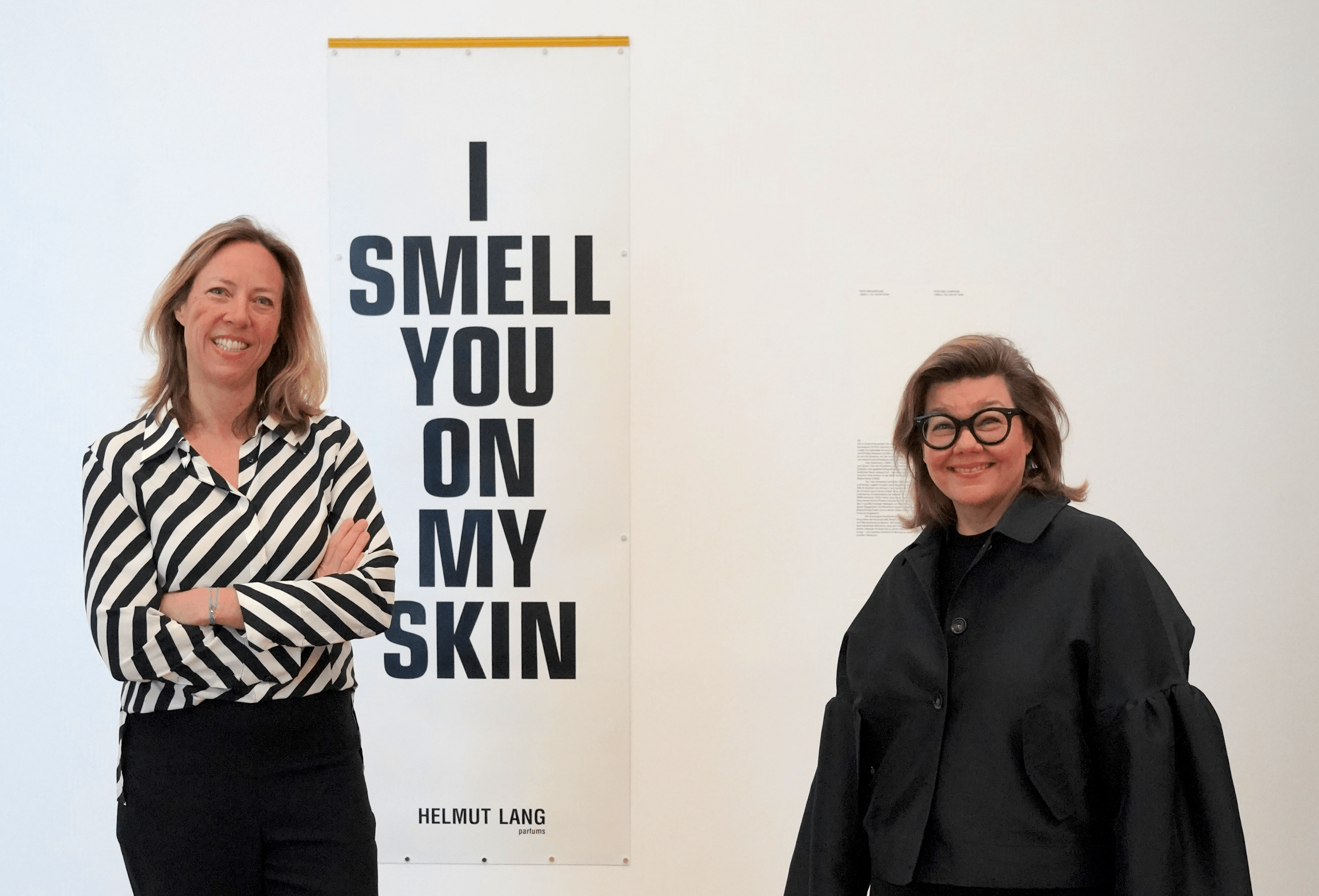
Lilli Hollein
General Director and Artistic Director of the Museum of Applied Arts (MAK)

Dania Kwizda-Dejanoff
International Relations SPARK Art Vienna